Trace the Coastline
The Coastal Paradigm
Coastal roads impose a unique set of constraints on the European driver. Unlike the predictable velocity of continental motorways, a road following the shoreline is dictated entirely by geology. Where cliffs sheer off into the Mediterranean or Atlantic, the asphalt must carve inland, fold back on itself, and conform to the rock face. This organic geometry means that distances on a map are deceptive. A sixty-mile journey along a rugged coast may easily consume three hours of intense, technical driving.
When selecting a coastal path for your itinerary, you are prioritizing visual rhythm over raw progress. The driver’s attention is split between narrow lanes, sudden elevation changes, and the ever-present glare of the water. Therefore, structural planning is vital. You cannot plan to cover 300 miles in a day on these roads without enduring severe driver fatigue.
Pacing and Proximity
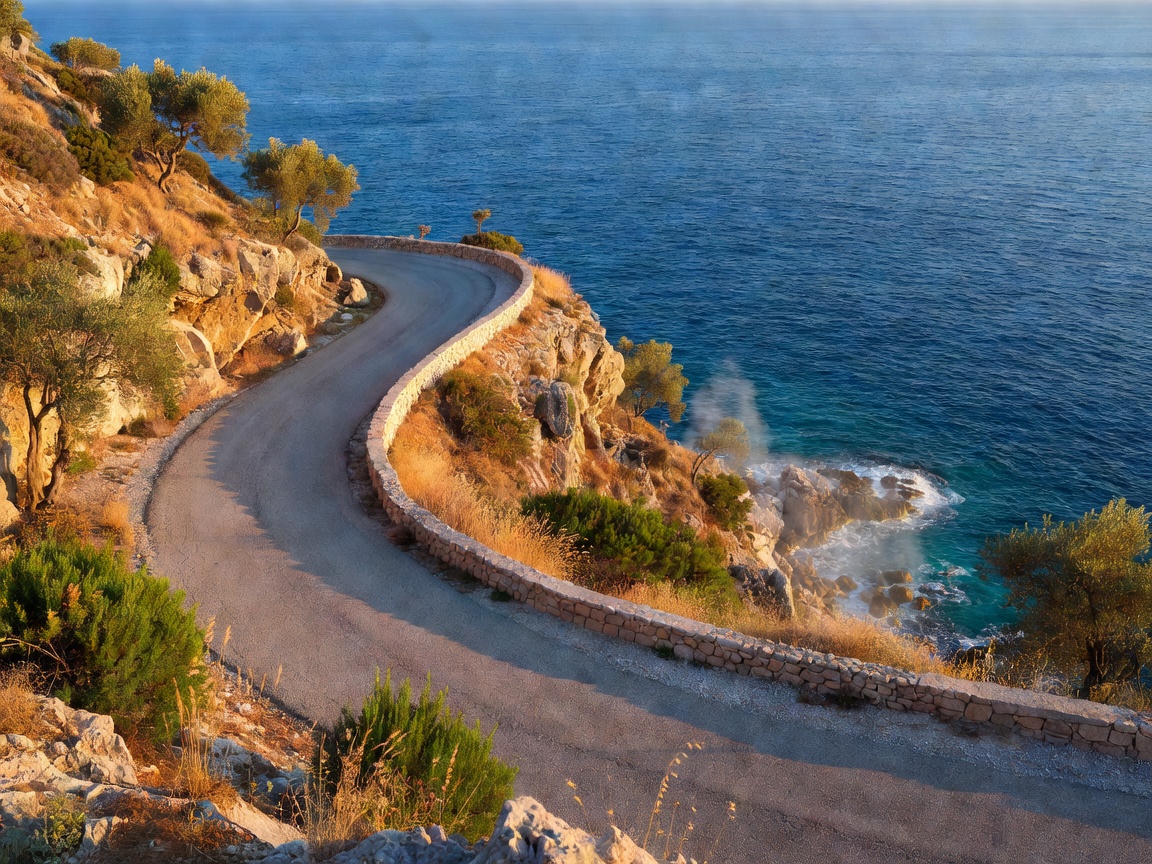
To successfully integrate a coastal stretch into a wider itinerary, segment the drive strictly by time, not distance. Cap your morning drive at three to four hours. Use the natural bottlenecks—small fishing villages or cliffside viewpoints—as planned stops rather than frustrating delays. Traffic density along popular stretches, such as the French Riviera or Spain’s Costa Brava, swells predictably between July and August. In these peak windows, early morning departures are not merely advised; they are required to experience the road as intended.
Consider the sun’s trajectory. A coastal drive facing west will offer blinding late-afternoon conditions. Structure your overnight stays to conclude before the glare compromises visibility. This leads to the necessity of booking shoreline accommodations well in advance, as the geography naturally limits hotel inventory.
Wind, Salt, and Surface
The physical condition of coastal roads is highly variable. Salt spray accelerates the degradation of asphalt and metal barriers alike. High crosswinds, particularly along exposed Atlantic routes in Ireland or Portugal, can destabilize high-sided vehicles. Ensure your vehicle selection aligns with the environment: narrow, low-slung, and agile models perform vastly better on technical Mediterranean corniches than wide SUVs.
Every coastal route has an inland parallel—a faster highway sitting just a few miles away from the sea. The intelligent itinerary weaves between the two. Use the fast inland road to reposition your vehicle over long distances, then drop down to the coastline for the localized, scenic segments. This dual-route strategy preserves the romance of the coastal drive while respecting the hard limits of your available travel days.