Find the Inland Rhythm
The Core of the Continent
While coastlines and mountain passes provide dramatic boundaries, the true volume of Europe lies inland. Driving through the continental interior—be it the dense canopy of the Black Forest, the undulating vineyards of Tuscany, or the stark plateaus of central Spain—requires a shift in planning philosophy. Here, the challenge is not defying gravity or clinging to a cliff edge, but rather navigating a dense, centuries-old network of secondary and tertiary roads that weave between small agricultural centers.
Inland scenic routes are characterized by their subtle cadence. The roads are generally well-maintained but often lack the hard shoulders found on primary transit corridors. Your itinerary should reflect a continuous, moderate pace. These are the days where you log the most consistent miles, utilizing the steady rhythm of the landscape to cover ground without exhausting the driver.
Agricultural Flow
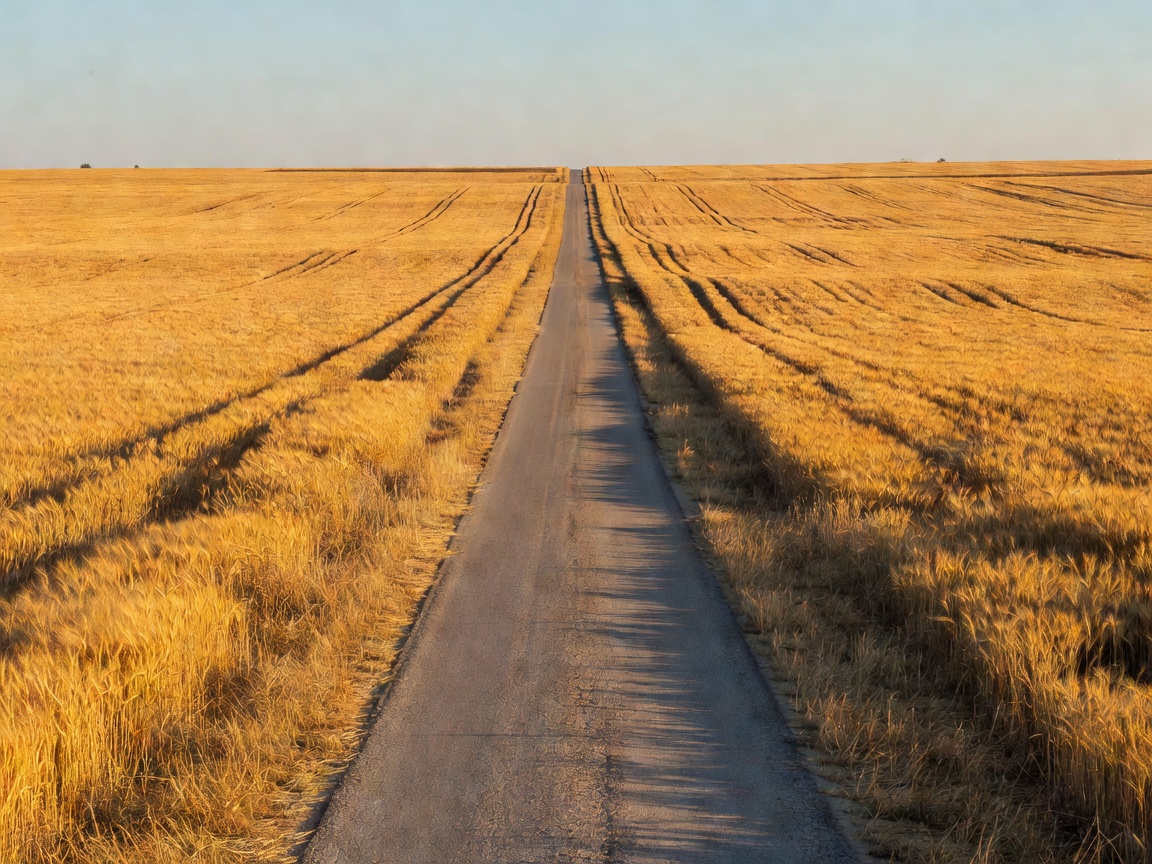
Planning inland routes means interacting with rural life. This introduces variables absent on highways: slow-moving agricultural machinery, livestock crossings, and localized village traffic. When plotting your nodes on an inland map, discount the estimated travel times provided by digital mapping software by at least twenty percent. You will inevitably spend time behind local traffic where passing is neither safe nor legal.
The advantage of the inland route is flexibility. The density of the road network means that detours are easily managed without severe time penalties. If a specific village is congested, an alternate country lane is usually available just a mile away, offering a similar driving experience with fewer interruptions.
Transitioning Environments
An effective inland day acts as the connective tissue in a larger trip. It bridges the gap between the intensity of a high pass and the final coastal destination. When mapping this sequence, prioritize routes that shadow natural geographical features—following the curve of a major river or tracing the edge of a valley floor.
Pay close attention to fuel management. While inland areas are populated, 24-hour service stations are sparse on secondary roads. Plan to refuel when your gauge reaches a quarter tank, preferably in mid-sized market towns, rather than assuming a rural village will have accessible pumps late in the afternoon.