Plan for the High Road
The Vertical Variable
Designing a route that crosses major European mountain ranges requires an explicit acknowledgement of the vertical variable. Passes in the Alps, the Pyrenees, and the Dolomites are not merely high-altitude roads; they are engineered solutions to extreme topography. They present hairpin turns, steep gradients exceeding 10%, and rapid fluctuations in barometric pressure and temperature.
When you include a pass in your itinerary, you must treat it as the focal point of the day. Attempting to chain multiple high passes back-to-back is a common structural error that results in intense mechanical strain on the vehicle and severe mental fatigue for the driver. A balanced approach limits the day to one major ascent and descent, flanked by relaxed valley transits.
Seasonal Constraints
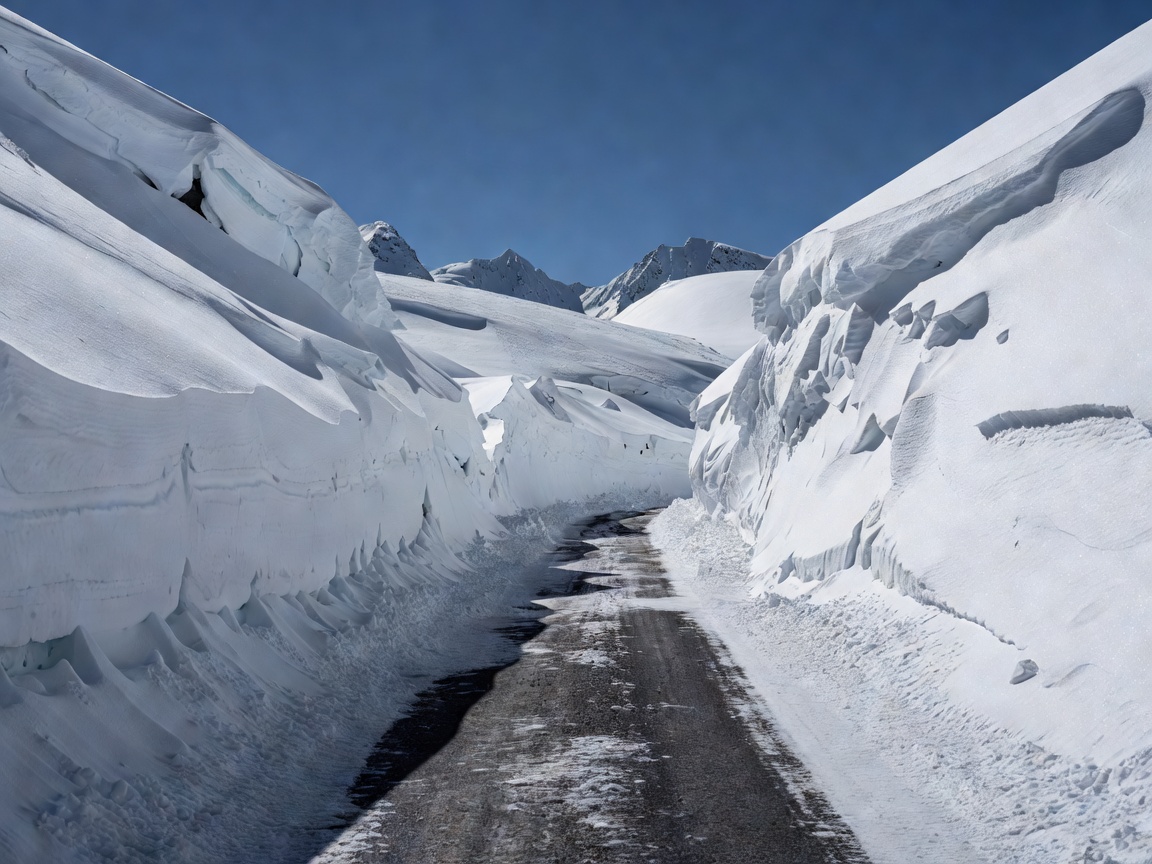
The high road is fundamentally governed by the calendar. Most passes situated above 2,000 meters are entirely impassable from November through late May, sealed by snowpack and avalanche risks. Even in the height of July, severe weather cells can force temporary closures lasting hours or days.
No route plan is complete without a low-altitude bypass. If your primary path relies on the Grossglockner or the Stelvio, you must document a parallel tunnel or valley route. Do not leave this secondary route to spontaneous mapping; write it into the itinerary. Always check local authority status boards before leaving your morning accommodation, as conditions change rapidly with elevation.
Mechanical Preparation
Mountain driving demands mechanical integrity, specifically regarding thermal management. Climbing requires sustained high-RPM operation, generating immense engine heat. Conversely, the descent places dangerous thermal loads on the braking system. Your itinerary must account for the necessity of engine braking—using lower gears to manage descent speeds rather than riding the brake pedal.
Plan designated cooling stops. Many passes feature gravel pull-outs or summit cafes; these are not merely for photography, but necessary intervals to allow brake temperatures to normalize. Structuring these pauses into your day ensures both safety and a calculated rhythm to your high-altitude crossing.