Connect One Day to the Next
The Architecture of an Itinerary
An itinerary is fundamentally an exercise in load balancing. If you select a series of intense coastal roads or complex alpine ascents, you cannot simply link them end-to-end without factoring in driver fatigue and vehicle wear. The successful European road trip relies on alternating periods of high physical engagement with relaxed transit segments.
We classify days into three operational types: Transit Days, Feature Days, and Static Days. Transit Days utilize primary highways to move vast distances efficiently. Feature Days abandon the highway to focus intensely on a specific geography, such as a mountain pass. Static Days ground the vehicle entirely, allowing the driver to rest and the itinerary buffer to reset.
Sample Sequencing
A classic one-week structural sequence moving from the interior to the coast might look like this:
- Transit into the Region: Using major motorways to reach the starting base camp, covering 300+ miles.
- Inland Rhythm: A moderate 150-mile drive through agricultural valleys to adjust to local driving customs.
- The High Route: A low-mileage (under 100 miles) but time-intensive day crossing a major mountain pass.
- Static Day: Vehicle remains parked. Driver recovers from altitude and concentration fatigue.
- Coastal Approach: Descending toward the sea via sweeping secondary roads.
- Trace the Coastline: Technical cliffside driving, capped at 4 hours total driving time.
- Exit Transit: Return to the major hub via the fastest inland highway.
Building the Buffer
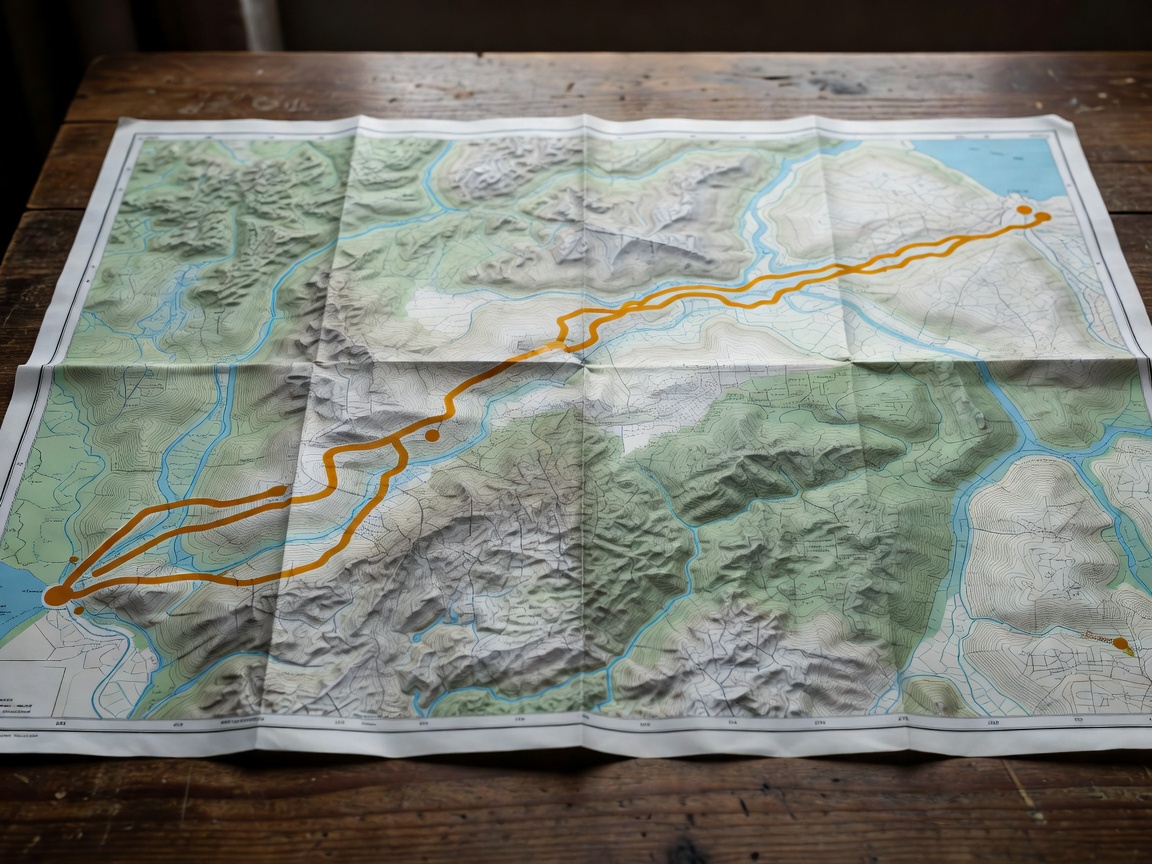
Tight scheduling is the enemy of the road trip. Traffic incidents, unexpected weather closures, or simple navigation errors will consume time. Every multi-day itinerary must contain empty space—hours where no driving is scheduled and no destination is pressing. By deliberately planning to arrive at your overnight stop by 4:00 PM, you create a buffer that absorbs delays without spilling over into nighttime driving, which on unfamiliar, unlit European secondary roads should be rigorously avoided.